AI Influencers: The Honest Truth (From People Who Make Them)
Everyone's talking about AI influencers. Some say they're the future, others think they're creepy. Here's our take from actually building them.
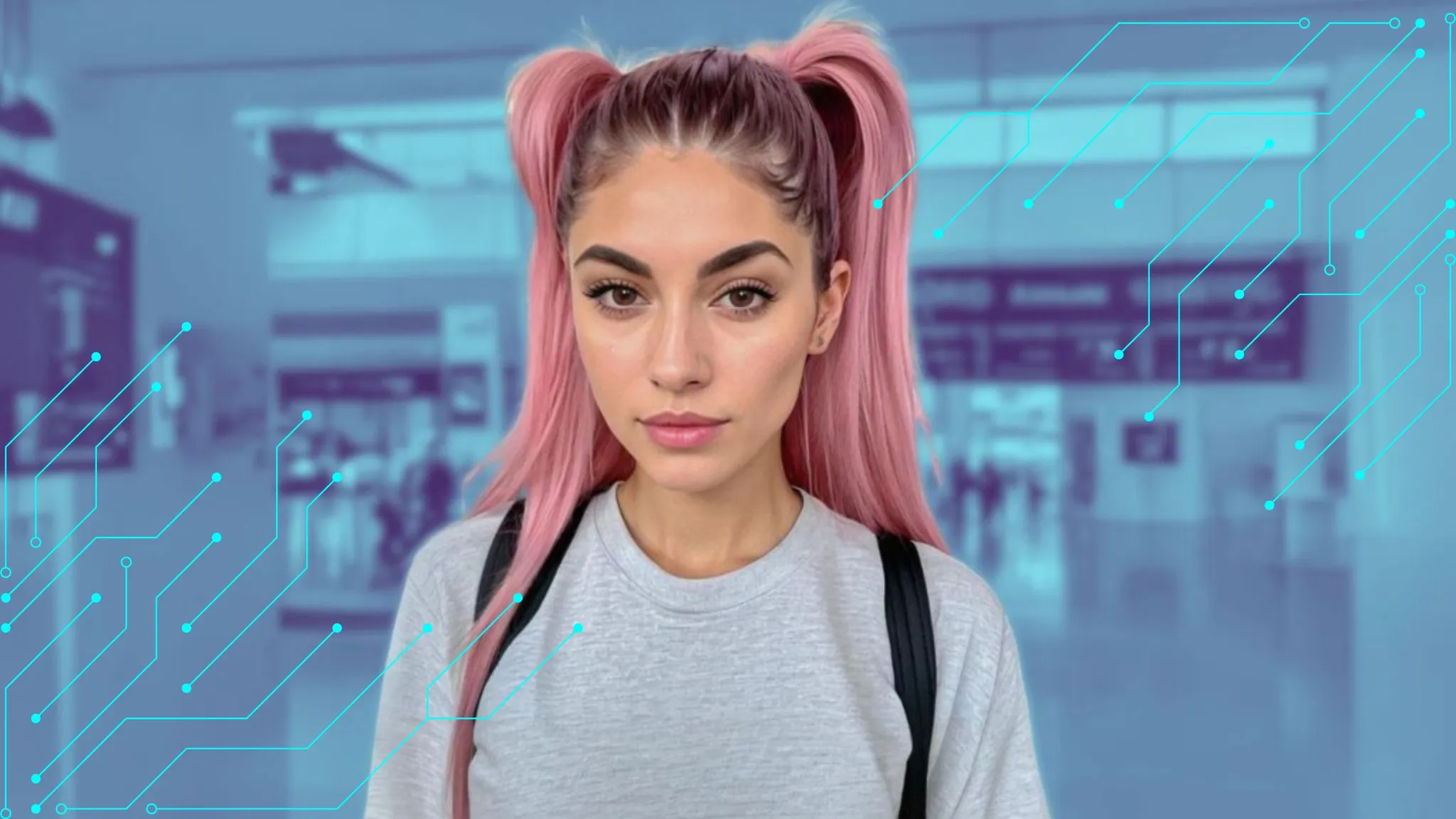
Alright, let's address the elephant in the room. We create AI influencers for a living. So you might think this article is going to be pure propaganda about how amazing they are.
It's not. I'm going to tell you exactly what AI influencers are good at, what they're terrible at, and whether they make sense for your brand. No BS.
What Even IS an AI Influencer?
For the uninitiated: an AI influencer is a computer-generated character that acts like a human influencer on social media. They have personalities, they post content, they engage with followers. Some of them have millions of followers.
The most famous one is probably Lil Miquela, who's been around since 2016 and has partnered with brands like Prada and Calvin Klein. She's got over 3 million Instagram followers.
At Skorebee, we create custom AI influencers for brands. Think of them as digital brand ambassadors that never sleep, never cause scandals, and never get poached by competitors.
The Good Stuff (And There's a Lot)
Total brand control. This is the big one. Human influencers are unpredictable. They might say something controversial, their personal life might blow up, or they might suddenly pivot their content in a direction that doesn't align with your brand. With AI influencers, you have complete creative control. Always.
24/7 content production. An AI influencer can post while your marketing team sleeps. We've had clients running AI influencers across multiple time zones – breakfast content for the UAE, lunch posts for Europe, dinner content for the Americas. All without burning out a single human.
No scheduling conflicts. Ever tried to book a popular influencer for a campaign? It can take months to lock down dates. AI influencers are available whenever you need them.
Scalability. Want your influencer to appear at a virtual event, a metaverse activation, AND a social campaign simultaneously? No problem. Try doing that with a human.
Long-term consistency. Human influencers age, change their style, move on. An AI influencer can maintain the same look and voice for decades if that's what you want.
The Not-So-Good Stuff (Let's Be Real)
The "uncanny valley" problem. Some people find AI influencers creepy. There's a certain... perfection... that can feel off-putting. We've gotten much better at this – adding imperfections, making movements more natural – but some consumers will always prefer real humans.
Trust issues. Studies show that some demographics are skeptical of AI influencers. They know it's not a real person recommending the product, so the endorsement feels less genuine. This varies hugely by age group and region though.
Limited spontaneity. An AI influencer can't genuinely react to a trending moment in real-time. Yes, we can create reactive content, but there's always a bit of lag. A human influencer might jump on a trend instantly; AI needs production time.
The "soul" factor. This is hard to articulate but... human influencers have lived experiences, genuine emotions, real stories. An AI's backstory is manufactured. Some audiences care about this, others don't.
Who Should Consider AI Influencers?
Based on our experience, AI influencers work best for:
Who Should Probably Stick With Humans?
Our Honest Recommendation
Look, we make money from AI influencers. But we also turn down clients when we don't think it's the right fit.
The smartest approach for most brands is hybrid. Use AI influencers for always-on content, brand consistency, and scalable campaigns. Use human influencers for authentic testimonials, trend-jacking, and emotional storytelling.
It's not either/or. It's about using the right tool for the right job.
The future isn't "AI replaces humans." It's AI and humans working together. And brands that figure this out early will have a massive advantage.
---
Curious whether AI influencers might work for your brand? We're happy to give you an honest assessment. Sometimes the answer is "probably not" and that's totally fine. Let's talk.